

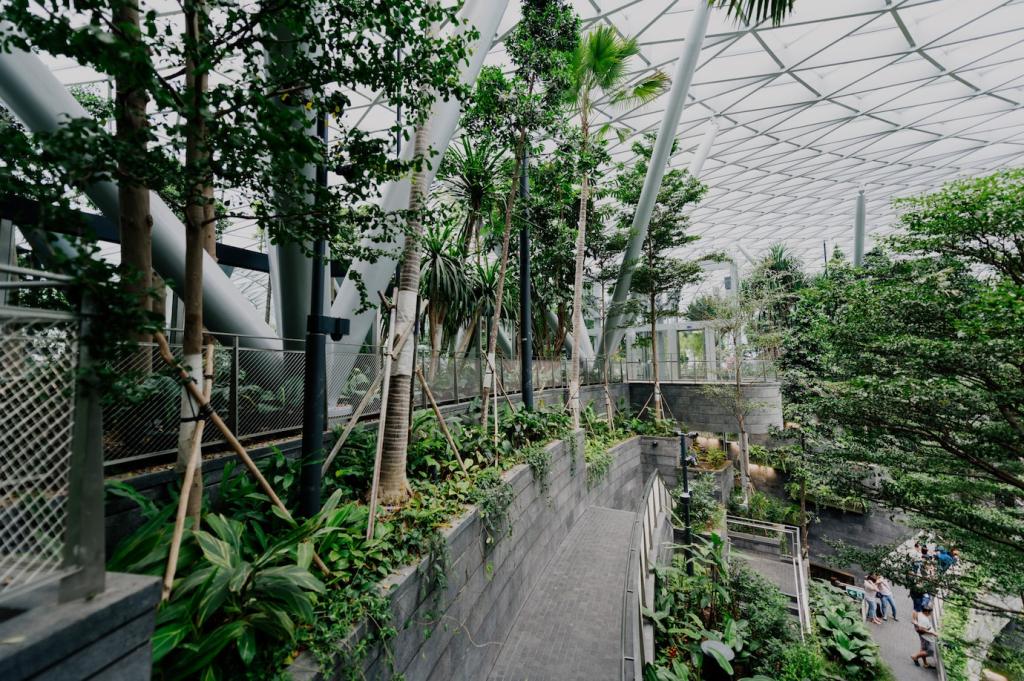

Scaling Green Spaces: The Role of Micro-Forests in Urban Areas

Today’s chosen theme: Scaling Green Spaces: The Role of Micro-Forests in Urban Areas. Join us as we explore how pocket-sized forests transform streetscapes, cool neighborhoods, restore biodiversity, and knit communities together—one tiny, leafy ecosystem at a time. Subscribe for ongoing stories, guides, and inspiration.

Why Micro-Forests Matter in Cities

Even a twenty-square-meter micro-forest can host pollinators, beetles, fungi, and songbirds within months, thanks to layered planting and continuous leaf litter. Share your neighborhood sightings in the comments and help us map the surprising wildlife returning to micro-habitats.

Start with Site Selection and Soil Remediation

Urban soils are often compacted and nutrient-poor, so loosen subsoil, add organic amendments, and test for contaminants. Comment with your soil challenges, and we’ll compile reader-tested tips for transforming tough ground into thriving forest beds.

Layered Planting Inspired by the Miyawaki Method

Combine canopy, sub-canopy, understory, shrubs, vines, herbs, and groundcovers at high density to accelerate growth and resilience. Share your favorite native plant combinations and tell us which species surprised you with their vigor in tight urban corners.

Water-Wise Establishment and Long-Term Care

Use thick mulch, slow-release watering bags, rain gardens, and swales to capture roof runoff. After two to three seasons, roots deepen and maintenance drops. Post your irrigation hacks below, and help neighbors stretch every precious drop during dry spells.

From Vacant Lot to Living Classroom: A Story

Ten volunteers met each weekend with shovels and saplings, trading recipes and phone numbers between wheelbarrow runs. Tell us about your favorite Saturday planting moment, and we’ll feature community snapshots in our next micro-forest gallery.

From Vacant Lot to Living Classroom: A Story

Local students set sticky traps for insects, logged birds on eBird, and measured sapling growth with twine and rulers. Invite a school near you and share your activity ideas, so other neighborhoods can turn micro-forests into joyful outdoor classrooms.

From Vacant Lot to Living Classroom: A Story

A concise site plan, a maintenance pledge, and neighborhood signatures unlocked a small grant and a fast-track permit. Comment with your city and we’ll help connect you to model templates and fellow advocates who have navigated similar approvals.

Soil Carbon and Infiltration You Can Test
Simple infiltration rings and seasonal soil cores reveal improved water absorption and carbon gains. Share your before-and-after data, and we’ll build a community dashboard to showcase how micro-forests heal compacted city soils over time.
Biodiversity Counts That Spark Wonder
Use iNaturalist for insects and plants, and eBird for avian visitors. Post your most surprising species, and tag the micro-forest where you found it—your observations inspire others to start patches that welcome life back to hardscaped streets.
Temperature Transects on Scorching Days
Carry pocket thermometers or sensor loggers to compare shaded forest edges with nearby asphalt. Upload your readings and stories; we’ll feature community heat transects that map how micro-forests cool commutes and bus-stop waits.

Start Your Own Micro-Forest Today

Walk your block and note median strips, fence lines, and vacant corners. Share a photo of your candidate site, and we’ll offer feedback on access, sunlight, runoff potential, and how to win early support from nearby residents.

Start Your Own Micro-Forest Today

Invite neighbors, a local school, and a small business to sponsor snacks or tools. Comment with your planting date and we’ll help recruit volunteers, plus share a season-by-season checklist to keep momentum steady and spirits high.
Offsitevisibilityhub
Privacy Overview

This website uses cookies so that we can provide you with the best user experience possible. Cookie information is stored in your browser and performs functions such as recognising you when you return to our website and helping our team to understand which sections of the website you find most interesting and useful.