The Benefits of Micro-Forests in Urban Environments
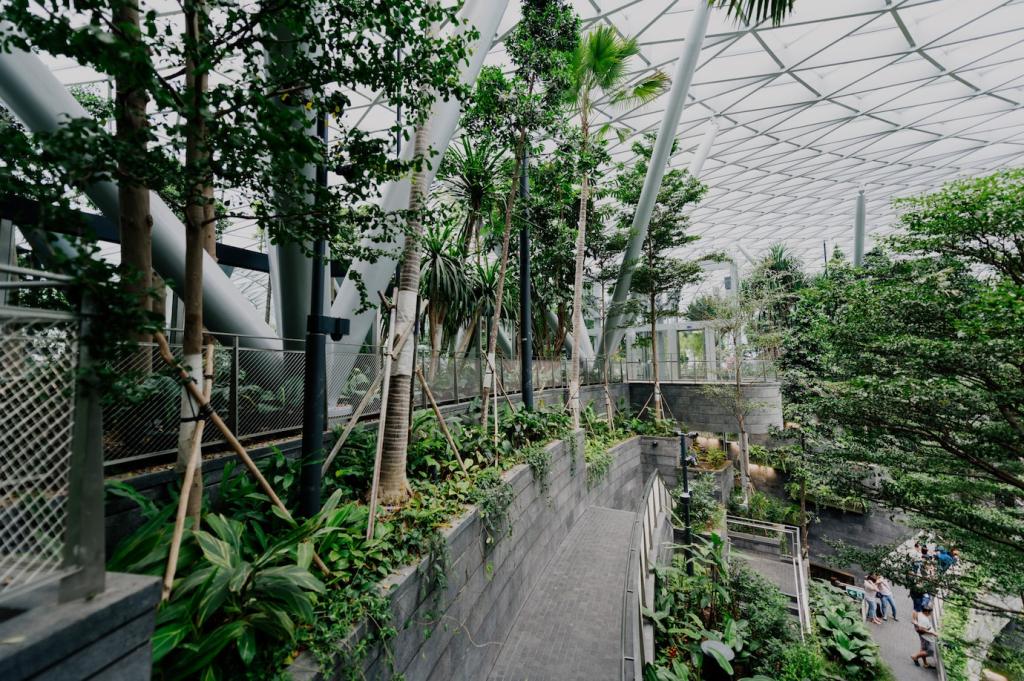
Chosen theme: The Benefits of Micro-Forests in Urban Environments. Step into a city where pocket-sized forests cool sidewalks, invite birdsong, and bring neighbors together. Explore tangible impacts, real stories, and practical steps to start your own. Subscribe and share your ideas to help this movement grow.
Leaf canopies reduce surface temperatures and ease urban heat islands, especially during heat waves. Shade, evapotranspiration, and wind buffering combine for noticeable comfort. Try a simple infrared thermometer before and after planting, and post your readings to our comment thread.
Flowering understory plants and native shrubs draw bees, butterflies, and moths that many gardens struggle to attract. Diversity begets stability, so blooms are staggered across seasons. Start a backyard count and comment with your numbers to help map a larger pollinator corridor.
Even brief contact with layered green spaces can calm the nervous system and improve attention. Micro-forests offer sensory variety—rustling leaves, dappled light, earthy scents—without needing a day trip. Share a reflection about a short visit that changed your afternoon.
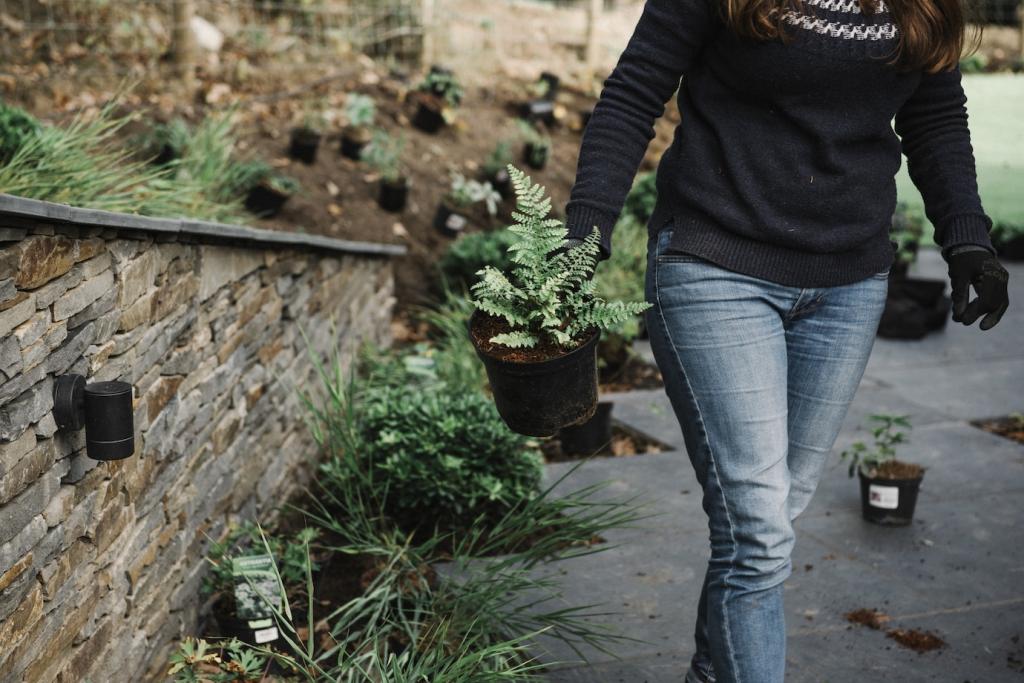
Look for underused strips, schoolyards, or sunny corners. Take a basic soil test for pH, texture, and contaminants; remediate if needed. Photograph the area through a day to understand wind and shade. Post your findings for feedback from our growing community.
An Alleyway Turned Oasis
In a narrow alley behind apartments, residents planted a twelve-species micro-forest. Within a year, kids walked the long way home to check ladybugs, and summer evenings felt cooler. The group now hosts monthly care nights and shares tips in our comments.
A Schoolyard That Teaches Itself
A public school replaced asphalt with a pocket forest and a winding path. Science scores rose as lessons moved outdoors, and families lingered after pickup under new shade. They track pollinators with students and post quarterly results for others to replicate.
From Vacant Lot to Community Pride
A vacant lot became a micro-forest anchored by oak, serviceberry, and dogwood. Nearby shop owners report more foot traffic and less litter. Volunteers swapped watering schedules via a neighborhood chat, then documented their process for newcomers on our subscriber pages.
Track the Impact and Share the Data
Start with photos, canopy estimates, species tallies, and basic soil tests. Repeat seasonally to detect trends. A shared spreadsheet keeps teams aligned and transparent. Post your template or use ours, and help build a citywide picture of micro-forest performance.
Track the Impact and Share the Data
Thermal snapshots, humidity logs, and low-cost particulate sensors reveal cooling and air quality changes. Keep notes on weather conditions for fair comparisons. Share graphs in the thread; we’ll compile highlights into an annual community impact report.